
Views: 0 Author: Site Editor Publish Time: 2025-09-25 Origin: Site
The integration of artificial intelligence (AI) into cockpit design is revolutionizing both aviation and automotive industries, enhancing safety, efficiency, and user experience. As AI technologies advance, they provide unprecedented situational awareness, optimize flight and driving operations, and support human operators through intelligent systems. This exploration delves into how AI is reshaping cockpit environments, addressing challenges such as pilot shortages and cybersecurity threats, while paving the way for a future where human-AI collaboration becomes the norm in intelligent cockpits.
Artificial intelligence plays a pivotal role in improving flight safety by providing advanced situational awareness and hazard detection. AI systems analyze real-time data from multiple sensors and cameras to identify potential threats such as bird strikes, runway incursions, or adverse weather conditions. For instance, AI-powered visual awareness suites can detect obstacles like cranes, power lines, or even non-cooperative air traffic, alerting pilots well in advance to take preventive actions. By reducing human error and enhancing decision-making, AI helps lower accident risks and improves overall flight safety.
AI optimizes flight operations by streamlining routine tasks and predicting potential disruptions. It processes vast amounts of data to forecast turbulence, icing, or delays, allowing pilots and ground staff to adjust flight plans proactively. Airlines use AI algorithms for fuel efficiency optimization, route planning, and dynamic scheduling, which can reduce operational costs and improve on-time performance. Moreover, AI-driven predictive analytics help in maintenance scheduling, ensuring aircraft remain in peak condition and minimizing unexpected downtime.
Virtual copilots powered by AI are transforming the cockpit experience. These intelligent assistants monitor flight parameters continuously, provide real-time recommendations, and can even assume control in specific scenarios to support the human pilot. Unlike traditional copilots, AI copilots handle routine monitoring and alert pilots only when intervention is necessary, reducing workload and fatigue. This collaboration enhances situational awareness and enables pilots to focus on strategic decision-making and problem-solving, especially critical amid the growing global pilot shortage.
Incorporate AI-powered virtual copilots in flight operations to enhance pilot support, reduce workload, and improve safety outcomes.
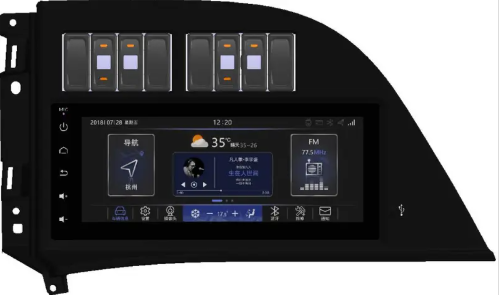
Artificial intelligence is transforming automotive cockpits into smart, intuitive environments. Drivers now enjoy seamless voice controls, gesture recognition, and AI-powered infotainment systems that anticipate their needs. These cockpits adapt to driving styles, traffic conditions, and even moods, creating a personalized, safer experience. For example, AI can suggest alternate routes during heavy traffic or adjust cabin settings based on driver stress levels, making journeys more comfortable and efficient.
AI systems continuously monitor drivers to enhance safety. Using cameras and sensors, they track eye movements, facial expressions, and posture to detect fatigue, distraction, or impairment. If the system senses drowsiness, it can alert the driver or even initiate safety protocols like slowing the vehicle. This real-time monitoring helps prevent accidents caused by human error, a leading cause of road incidents. Moreover, AI can adapt alerts based on individual driver behavior, reducing false alarms and improving response.
AI customizes the vehicle interior to suit each occupant's preferences. From adjusting seat position and climate control to selecting music and lighting, smart cockpits create a tailored atmosphere. They learn habits over time, remembering favorite settings for different drivers. Integration with smartphones and smart home devices allows seamless connectivity, making the cabin an extension of daily life. This personalization enhances comfort, convenience, and overall satisfaction during every drive.
Integrate AI-driven driver monitoring and personalized cabin features to boost safety and customer satisfaction in automotive cockpit design.
AI-driven cockpits bring incredible benefits but also open new doors for cyberattacks. These cockpits rely on connected systems and vast data processing, creating multiple points vulnerable to hackers. Unauthorized access could lead to control manipulation, data theft, or system shutdowns. For example, an attacker could exploit communication links between the cockpit and ground control to inject false data or disrupt flight operations.
The automotive sector faces similar risks. AI-powered cockpits gather sensitive personal and operational data, making them prime targets for cybercriminals. Vehicle systems could be hacked remotely, risking driver safety or privacy. The growing complexity of AI systems means traditional cybersecurity methods alone are insufficient. Manufacturers must adopt advanced, AI-tailored security protocols to protect these smart cockpits.
A newer, more insidious cyber threat is AI prompt injection. This attack tricks AI models by embedding hidden commands inside seemingly normal inputs. Imagine a voice assistant in a car reading a text message containing an invisible malicious prompt. The AI might interpret this as a command, causing unintended actions such as unlocking doors or disabling safety features.
Prompt injection exploits AI’s reliance on input data, which differs from conventional software vulnerabilities. It requires specialized defenses, including training AI models to detect and reject suspicious inputs. Without such protections, attackers can manipulate AI behavior subtly and dangerously.
Another risk is jailbreaking AI systems. Attackers try to bypass built-in restrictions, forcing AI into unrestricted modes. This could disable safety checks, expose confidential information, or allow unauthorized control over cockpit functions.
In aviation, jailbreaking could lead to loss of critical safeguards, increasing accident risks. In automotive cockpits, it might grant hackers full control over vehicle systems. Preventing jailbreaking demands robust security architecture and continuous monitoring to detect abnormal system behavior.
Prioritize integrating AI-specific cybersecurity measures early in cockpit design to mitigate risks like prompt injection and jailbreaking effectively.
The Federal Aviation Administration (FAA) has recognized the growing role of AI in aviation and developed a comprehensive AI roadmap to ensure safety remains paramount. This roadmap outlines guiding principles to introduce AI technologies safely into the aviation ecosystem. It aims to balance innovation with rigorous safety standards, ensuring AI systems in cockpits perform reliably under all conditions.
The FAA collaborates closely with industry stakeholders and international regulators to define certification processes tailored for AI-driven systems. This includes establishing clear criteria for deterministic AI — systems that produce predictable outputs given the same inputs — which are currently favored for onboard flight-critical functions. The roadmap also addresses future integration of non-deterministic AI, emphasizing human oversight and fail-safe mechanisms.
Securing AI models in cockpits is critical to prevent unauthorized manipulation or failure. AI systems must be designed with robust security architectures that restrict access, enforce strict authentication, and encrypt sensitive data. This reduces risks from cyberattacks, such as AI prompt injection or jailbreaking attempts.
Manufacturers implement secure-by-design principles, embedding security at every development stage. AI models undergo rigorous testing against adversarial inputs to ensure resilience. Additionally, access control policies limit who can update or interact with AI components, minimizing insider threats.
Continuous monitoring of AI systems is essential to detect anomalies that could indicate malfunctions or cyber intrusions. Real-time anomaly detection uses AI itself to observe system behavior and flag deviations from expected patterns. This proactive approach helps identify issues before they escalate, allowing timely intervention.
These monitoring systems analyze data streams from sensors, AI decision outputs, and communication channels. If anomalies arise — such as unexpected command sequences or erratic sensor readings — alerts trigger automated safeguards or notify human operators. This layered defense strengthens cockpit safety and maintains trust in AI technologies.
Adopt a multi-layered AI safety strategy combining FAA guidelines, robust model security, and real-time anomaly detection to ensure intelligent cockpit systems operate safely and reliably.
The aviation industry faces a serious pilot shortage. Experts predict a gap of over 500,000 pilots in the coming decades. This shortage results from rising air travel demand, retirements, and lengthy training processes. AI-powered cockpits offer a smart solution. By automating routine tasks and supporting pilots, AI reduces workload and helps maintain safe operations despite fewer pilots. Virtual copilots can monitor systems, provide alerts, and even take control during emergencies. This support allows pilots to focus on critical decisions and strategic thinking, helping airlines operate efficiently despite staffing challenges.
AI changes how pilots work. Instead of handling every control manually, pilots become supervisors of AI systems. They concentrate on strategic thinking and complex problem-solving. AI handles monitoring, data analysis, and routine tasks. For example, AI can predict weather changes, suggest alternate routes, or detect system anomalies early. Pilots interpret this information to make smarter decisions. This collaboration improves safety and efficiency. It also prepares pilots to manage unexpected situations by providing timely insights and recommendations.
The pilot’s role is evolving from hands-on operator to AI collaborator. Pilots will need skills in managing AI tools and interpreting AI-generated data. Training programs are adapting to teach these competencies. The future cockpit blends human judgment and AI precision. Pilots oversee AI’s actions and intervene when needed. This partnership boosts safety, reduces fatigue, and addresses pilot shortages. However, human pilots remain essential. AI supports but does not replace them, ensuring that flying stays safe and reliable.
Invest in pilot training programs focused on AI collaboration and strategic decision-making to maximize the benefits of AI-powered cockpits amid pilot shortages.
AI is revolutionizing flight scheduling in business aviation by making it more flexible and efficient. Traditional scheduling often struggles to balance pilot availability, aircraft readiness, and customer demands. AI systems analyze vast amounts of data, including weather, air traffic, maintenance status, and passenger preferences, to optimize flight plans dynamically. This reduces delays, minimizes downtime, and improves aircraft utilization.
For example, AI can predict potential conflicts or bottlenecks before they happen, allowing operators to adjust schedules proactively. It can also suggest alternative routes or times that save fuel and reduce costs. By automating these complex decisions, AI frees human planners to focus on strategic priorities and customer service.
Predictive maintenance is a game-changer for business aviation, powered by AI’s ability to forecast equipment failures before they occur. AI algorithms analyze sensor data from aircraft systems to detect subtle signs of wear or malfunction. This early warning helps operators schedule maintenance at the right time, avoiding unexpected breakdowns and costly repairs.
This approach increases aircraft availability and safety while lowering maintenance costs. For instance, AI can identify patterns indicating engine degradation or hydraulic issues well in advance. Business aviation companies using predictive maintenance report fewer flight cancellations and improved operational reliability.
AI enhances the passenger experience by personalizing services and streamlining operations. From booking to boarding, AI-powered systems can tailor options based on traveler preferences, past behavior, and real-time conditions. This includes customized in-flight entertainment, cabin environment adjustments, and personalized notifications.
In business aviation, where clients expect premium service, AI helps meet and exceed these expectations. For example, AI can recommend meal choices based on dietary restrictions or suggest optimal departure times to avoid traffic. It can also automate concierge services, improving communication and responsiveness.
Moreover, AI-driven analytics help operators understand passenger feedback and preferences better, enabling continuous service improvement. This personalized approach builds customer loyalty and differentiates business aviation providers in a competitive market.
Leverage AI-driven flight scheduling, predictive maintenance, and passenger personalization to boost efficiency, safety, and client satisfaction in business aviation operations.
AI is revolutionizing cockpit development in aviation and automotive sectors, enhancing safety, efficiency, and personalization. Future intelligent cockpits will continue to integrate AI, addressing pilot shortages and improving driver experiences. As AI systems evolve, their role in strategic decision-making will grow, requiring new skills for pilots and drivers. Hangzhou HopeChart IoT Technology Co., Ltd. offers innovative solutions, providing unique benefits in AI integration. Their advanced products enhance operational efficiency and safety, showcasing the transformative potential of AI in cockpit technologies.
A: An Intelligent Cockpit in aviation integrates AI systems to enhance flight safety, optimize operations, and support pilots through virtual copilots, improving decision-making and reducing workload.
A: AI enhances safety in Intelligent Cockpits by providing advanced situational awareness, detecting hazards, and reducing human error through real-time data analysis and alerts.
A: AI-powered virtual copilots are crucial in Intelligent Cockpits as they monitor flight parameters, offer real-time recommendations, and reduce pilot fatigue by handling routine tasks.
A: Intelligent Cockpits in automotive settings offer personalized driving experiences through AI-driven voice controls, gesture recognition, and real-time driver monitoring for enhanced safety.
A: Intelligent Cockpits mitigate cybersecurity threats by implementing AI-specific security protocols, continuous monitoring, and anomaly detection to protect against cyberattacks like prompt injection.


